Blog
Practical writing on apps, web, SEO, and GEO — the useful kind, not the marketing kind.
A technical SEO audit of 200 popular Turkish sites: one in five tells search engines that a page which doesn't exist loaded fine. The checklist inside.
The most-searched keyword is often the wrong target. With our own market data: a step-by-step method that starts in Search Console and maps one page per intent.
One platform takes 6–10 weeks, iOS and Android 10–16. Part of the timeline is set by Apple and Google, not the developer: D-U-N-S, testing and review.
WordPress is a CMS, Next.js a React framework. We scanned 162 popular Turkish sites: Next.js runs 12.3 percent, WordPress 5.6. Who should pick which?
Google uses speed in ranking but guarantees nothing. Real-user data from popular .tr sites: only 41 percent pass Core Web Vitals on phones.
An in-house developer costs close to 1.5 times gross salary per productive month. The real cost and risk of each model, from official Turkish data and law.
Most software firms are a handful of people. Official Turkish data on the market, the three pricing models, and the technical questions to ask before you sign.
AEO aims to be the answer itself. What Google and Microsoft actually say, and what the schema markup on 175 popular Turkish sites shows.
We measured the home page of Türkiye's 100 largest listed companies. HTTPS is at 100 percent — but only 38.8 percent ship an H1 in the server's HTML.
Google removed its 'four months to a year' line in 2026. Realistic SEO timelines from Google's current docs and its core update schedule.
What OpenAI's own documentation, two academic studies and a robots.txt scan of 175 popular Turkish sites say about getting cited in ChatGPT's answers.
The dollar figures online rest on two surveys. Both from 2024, neither says when it ran, and they point in different directions. What sets the price instead?
By Google's own documentation most of the work stays the same. Three things genuinely change — and one is that Search Console gives you no query data at all.
You cannot compare agencies until you know what you are buying: scope, pricing model, seniority and ownership — plus how to verify the company exists.
Only 56.7 percent of Turkish enterprises own a website. The order the work actually goes in, the decision at each step, and who maintains it after launch.
Who Caliency is, its four services with prices and timelines, how it works and what it deliberately doesn't do: in one place, with facts you can check.
The phrase on every proposal that nobody defines: what Google's documentation says must be built in, what doesn't matter, and how to test it in 10 minutes.
Why a landing page is separate from your homepage, the four factors Google names, and the speed thresholds that are actually measurable.
Three ways to build a store, the platforms' published prices, the recurring items nobody mentions first, and what changes when you sell into the EU.
Sites are not picked out by attackers. They are found by scripts scanning for outdated software — and the real cost is commercial, not technical.
Why the same website gets quotes five times apart, the items no build price contains, and the cost that runs because the platform underneath you ages.
A redesign that changes URLs is a site move, and Google documents weeks of fluctuation while it recrawls. That is the bill. The question is what you are buying.
Maintenance is not someone keeping an eye on it. It is a calendar other people set, and because every date is published you can price it before you sign.
The paperwork nobody explains until an invoice is stuck: residency certificates, W-8 and W-9, what a Delaware address actually is, and which hours overlap.
With one small budget, the order matters more than the total. Spend it on things that are free to verify, permanent, and impossible to buy back later.
Google's free tools answer most audit questions, and their documented limits are where the real findings are. A walkthrough, with what each one cannot tell you.
Eligibility comes first and it is binary: a page must be snippet-eligible. Plenty of sites have switched that off for unrelated reasons and never noticed.
Both stores give you exactly one permission prompt, and both now default to off. The decision that matters is what you spend that single request on.
The two numbers everyone optimises to — 60 characters and 160 — are not Google's. Its documentation says there is no limit, and says plenty that gets ignored.
The performance argument is a decade out of date. The question that still decides it is who is responsible on the days Apple and Google move the floor.
Two metrics have a published threshold and a stated consequence: exceed them and Play may reduce your visibility. Almost nothing else in a monthly deck does.
Google names llms.txt in its documentation and says Search ignores it. The file has a real job — just not the one it is being sold for.
Most link packages describe something Google's spam policy names by example. Most toxic-link cleanups use a tool Google says most sites do not need.
Headless is an architecture, not a product you must buy. WordPress already exposes one — which changes the question from what to buy to what you give up.
We sell GEO, so read this with that in mind: on Google's own documentation, most of the work is SEO your existing team already knows how to do.
GA4 now has an AI Assistant channel, and Google's own definition says AI Overviews clicks are not in it. That settles most of the measurement argument.
Entity SEO is making your brand one clear entity that Google and AI engines recognise. What actually works, according to Google's own documentation.
Google says E-E-A-T is not a ranking factor, and the raters' own manual says raters cannot rank pages. What is left is more useful than the tactic being sold.
Google says it generally ignores URL structure and counts internal links instead. That single sentence moves the work from product pages to category pages.
Three separate things, usually bought together and often owned by someone else. ICANN's own policy contains the 60-day traps that decide whether you can leave.
A brochure describes the company. A corporate site has to survive being checked — by a buyer, a candidate, a journalist and a search engine, in that order.
Ownership is not a clause, it is an account. The clause says the code is yours; the account decides whether you can reach it on the day you need to.
Google publishes the questions to ask an SEO and its own warning signs. Most agency-selection articles never link it. Here it is, and what answers reveal.
The dividing line is not features. It is whether you need a channel to the user — and on iOS the web only gets one after a manual step almost nobody takes.
Both stores make you declare what data leaves the device — including data taken by code you did not write. The enforcement is blocked updates, not a fine.
Field data says Next.js sites pass Core Web Vitals on mobile less often than WordPress sites. That does not settle it, but it kills the usual argument.
Firestore prices your interface. Supabase prices your machine. That difference decides more app budgets than any feature list, and it is barely written down.
Shopify publishes its prices; WooCommerce cannot. And if Shopify Payments does not cover your country, a fee most comparisons ignore becomes permanent.
One of the three local ranking factors cannot be optimised at all, and the most-recommended tactic is an explicit guideline violation that risks suspension.
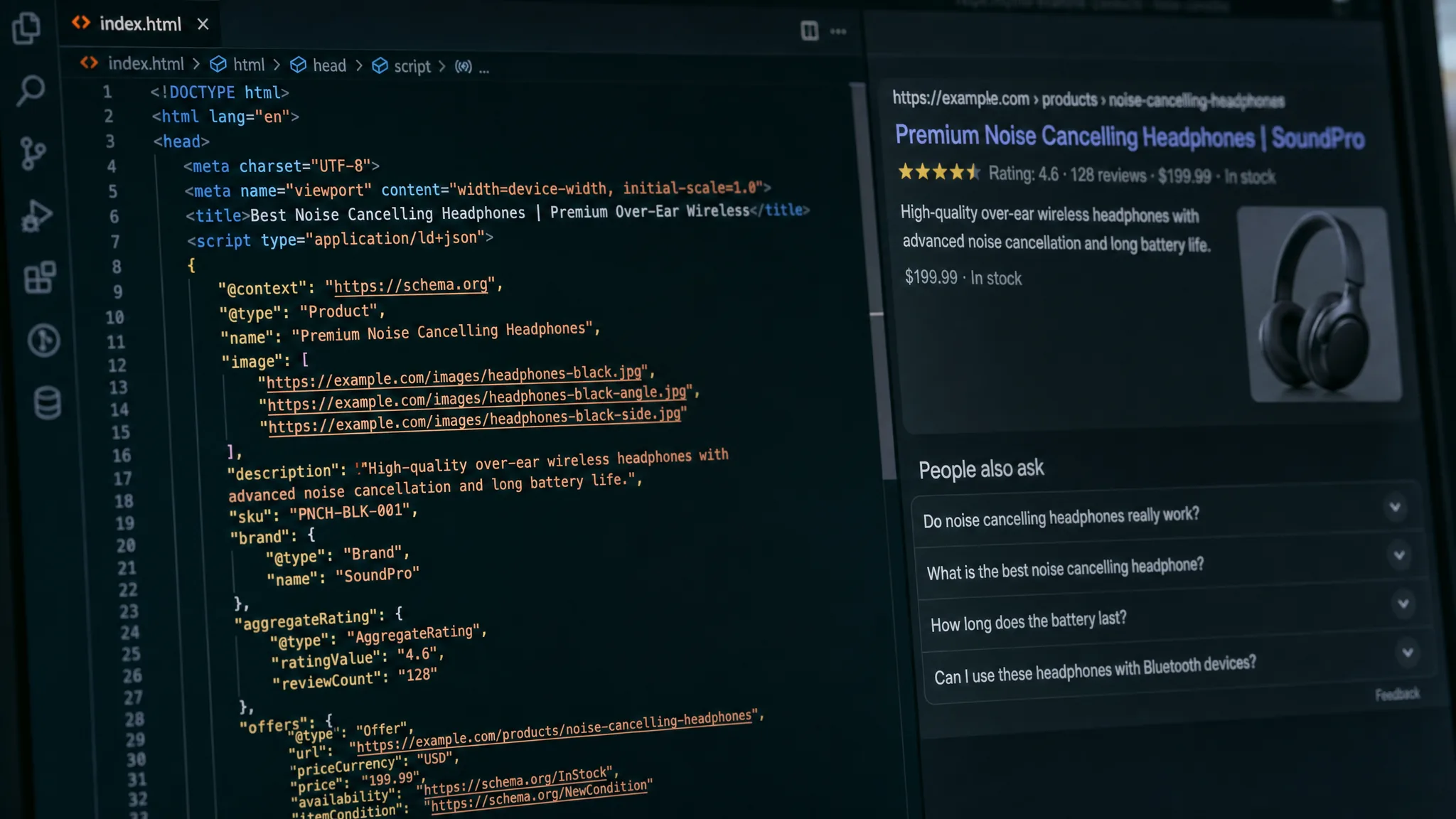
Google says no special markup is needed. Search Console now reports AI visibility — impressions only, no clicks. What that combination means.
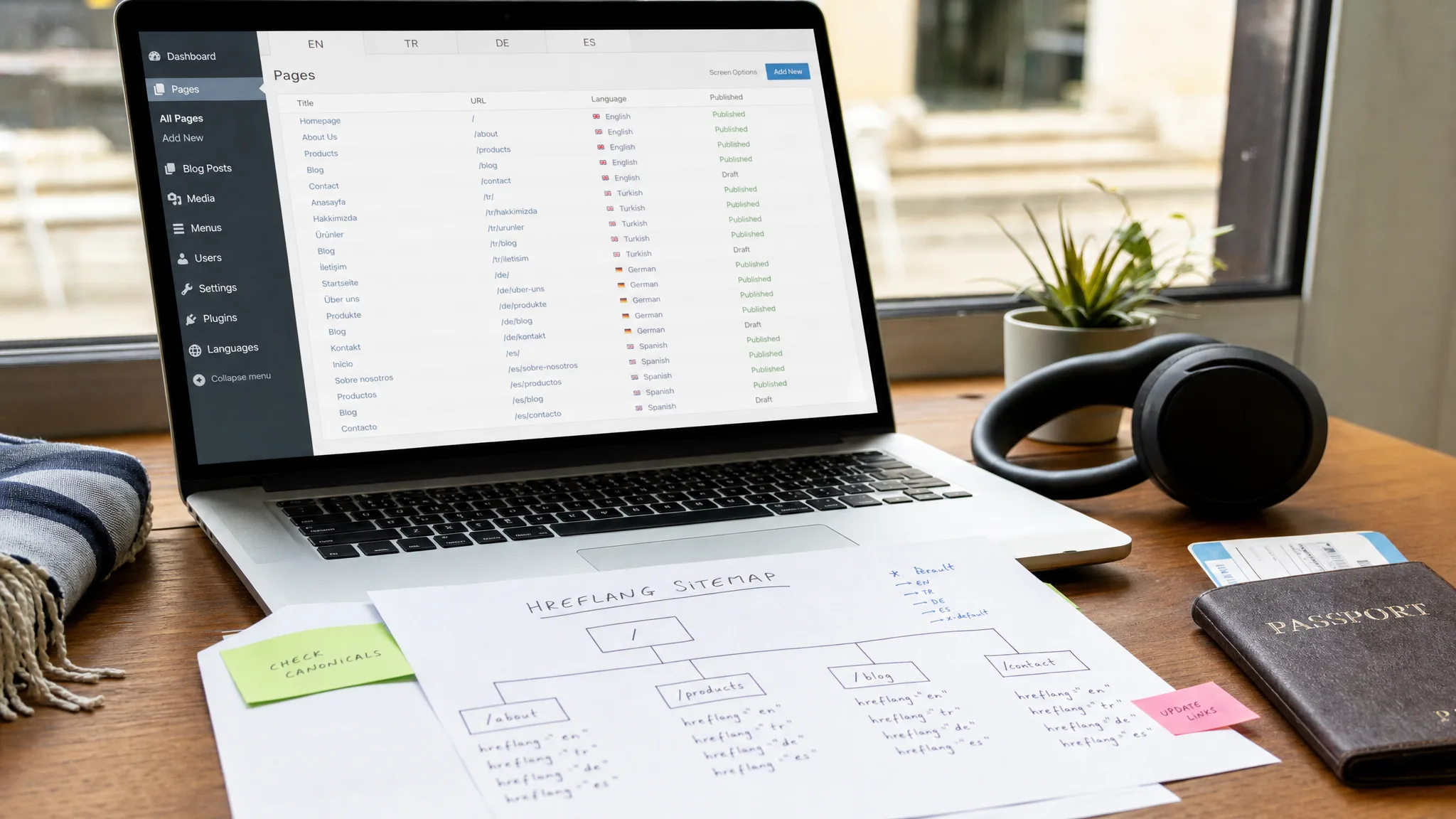
Bilingual sites break quietly. The rules Google actually states, and two failures we found on our own site by crawling it rather than reading the code.
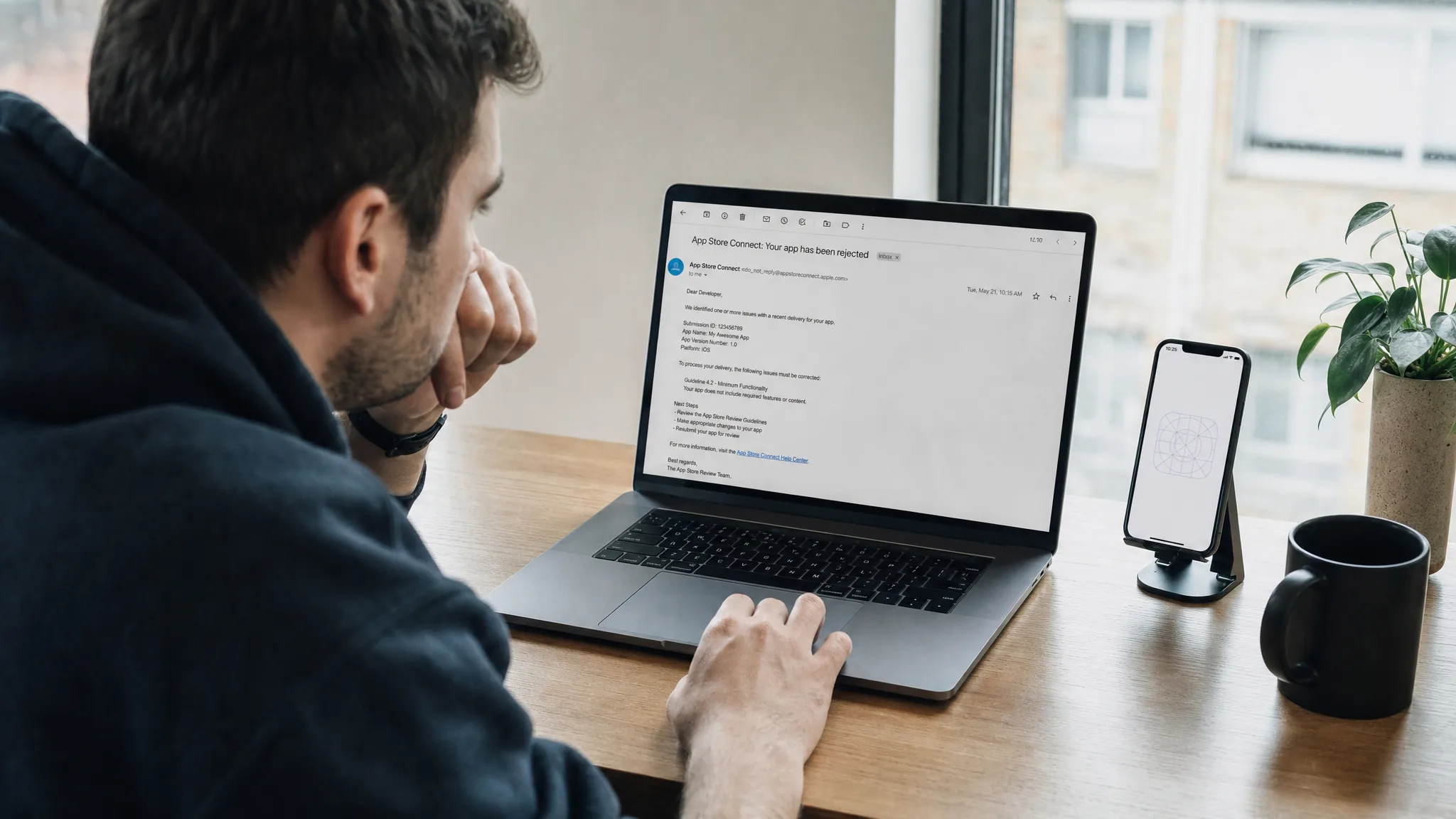
The guidelines Apple cites most, in Apple's own words — plus the part nobody mentions: on Google Play, repeated rejection can end your account.
Google retired FAQ rich results in May 2026 with no blog post. Here is what still earns a search feature, what only describes a page, and why both matter.
What WCAG 2.2 requires, what the European Accessibility Act changed in June 2025, and the failures that break real sites — none of them on the usual checklists.
The three metrics, the thresholds, what Google really says about ranking, and why your Lighthouse score is not the number Google is looking at.
GPTBot, ClaudeBot and PerplexityBot are not one decision. Each company runs separate bots for training, search and user requests — and advice conflates them.
Why quotes for the same app differ tenfold, what is never inside a build price, and the recurring cost the platforms impose on you regardless.
What GEO is, what the research actually shows, which tactics replicate and which do not, and how to measure something that answers differently each time.
What SEO covers, the three layers it is built from, how long it really takes, and how AI summaries changed click behaviour. Written to help you decide.
Which kind of website you actually need, custom code versus WordPress, realistic budget and timeline. Written to help you decide, not to sell.
What building a mobile app involves in 2026: platform choice, realistic cost and timeline, store submission. Written to help you decide, not to sell.